The Role of the Nervous System
Your nervous system is your body’s command centre. It includes your brain, spinal cord, and a vast network of nerves. This system controls essential functions such as movement, memory, emotions, and sensory perception by transmitting signals between the brain and the body.
When Nerves Are Damaged
When nerve cells are damaged, the communication between the brain and body becomes disrupted. This can lead to a range of uncomfortable and sometimes debilitating symptoms, including:
- Tingling or numbness
- Pain or burning sensations
- Loss of sensation
- Muscle weakness, often in the hands and feet
If left untreated, nerve damage can progress over time, leading to chronic pain, impaired movement, and reduced quality of life. Identifying the signs early and supporting nerve health through proper nutrition, lifestyle, and medical care can help protect this vital system.
Conditions Linked to Nervous System Dysfunction
Certain disorders can arise when the nervous system is impaired. One example is Alzheimer’s disease, which is caused by the buildup of abnormal proteins in the brain that lead to the degeneration of nerve cells. This condition is marked by memory loss, cognitive decline, and behavioural changes. Another condition is attention-deficit/hyperactivity disorder (ADHD), a developmental disorder that often begins in childhood. It is characterised by persistent inattention, hyperactivity, and impulsivity, which can interfere with daily life and development.
How to Protect Your Nervous System
Taking care of your nervous system is essential for maintaining brain health and overall well-being. A combination of nutrients and healthy lifestyle habits can provide powerful support.
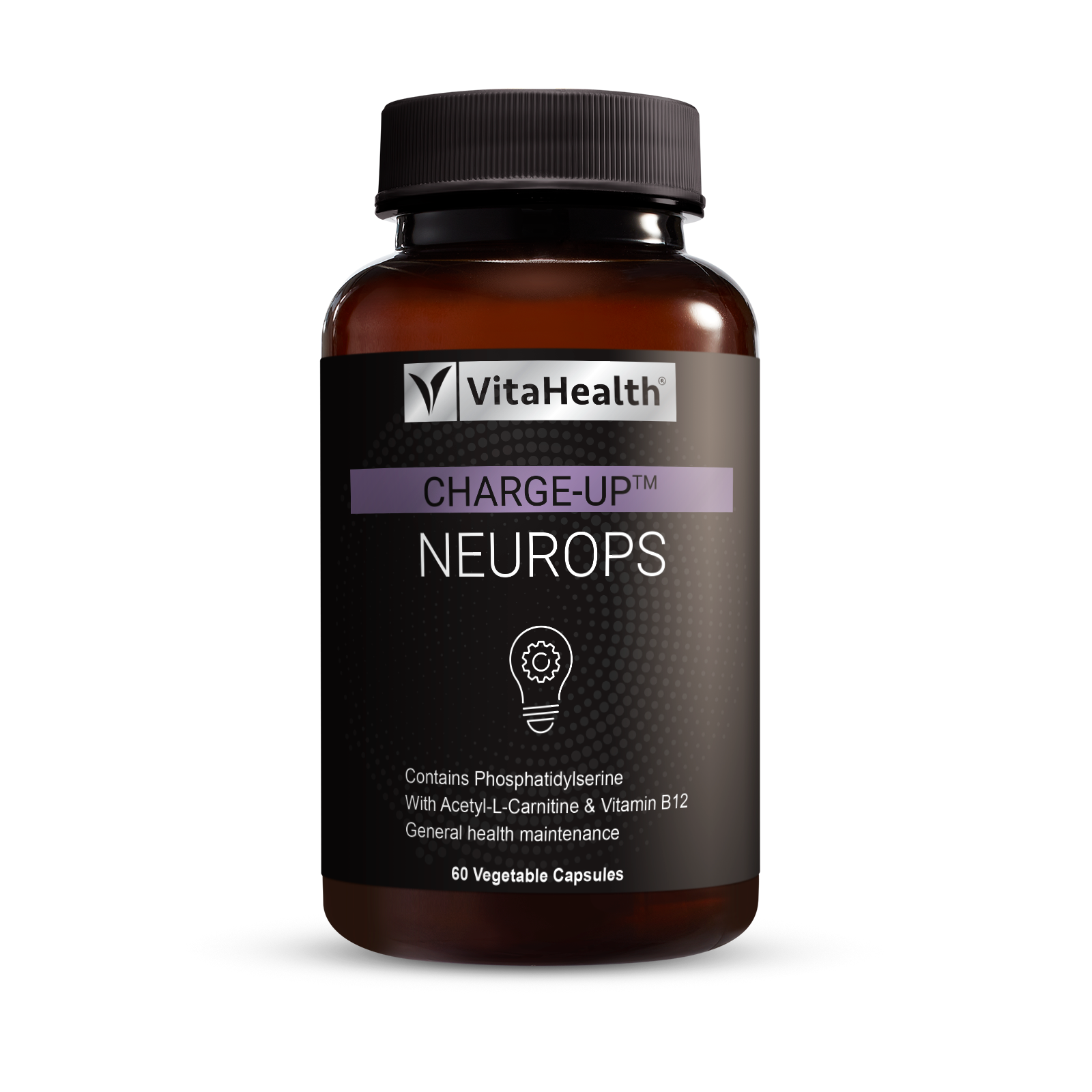
a) Phosphatidylserine (PS)
Phosphatidylserine helps protect brain cells and supports memory as well as cognitive performance. It has also been shown to help reduce ADHD symptoms, including hyperactivity, inattention, and impulsivity.
b) Acetyl-L-Carnitine (ALCAR)
Acetyl-L-Carnitine is a unique form of carnitine that can cross the blood-brain barrier to boost brain energy. It improves focus, supports mental performance, and enhances nerve function. It may also help reduce pain linked to conditions such as retinopathy.
c) Vitamin B12
Vitamin B12 plays a vital role in repairing damaged nerve cells and may help reduce sensations such as tingling and numbness. It also supports the regeneration of myelin sheaths, which are essential for the fast transmission of nerve signals.
By combining neuroprotective nutrients with healthy lifestyle habits, you can strengthen your nervous system. This helps preserve memory, improve focus, and maintain overall cognitive performance as you age.