What is Inflammation?
Ever heard the word inflammation and wondered if it’s good or bad? The truth is, it’s both. Inflammation is your body’s natural defense system. When you get a cut or catch a cold, your immune system kicks in to protect and heal you. That’s called acute inflammation, and it’s a good thing.
Think of chronic inflammation as a silent saboteur. You might not notice it at first, but it can affect almost every system in your body. Over time, it increases your risk for:
- Arthritis
- Cardiovascular disease
- Autoimmune disorders
- Alzheimer’s and other neurological diseases
- Respiratory diseases
- Diabetes
- Cancer
Signs You Might Have Chronic Inflammation
Chronic inflammation doesn’t always announce itself loudly. The body sends early warning signals that something is out of balance. You might notice things like:
- Body pain
- Constant fatigue
- Insomnia
- Anxiety
- Gastrointestinal complications
- Weight gain
- Frequent infections
What Causes of Inflammation
Certain daily habits and lifestyle factors can activate your immune response and contribute to ongoing inflammation. Identifying and managing these triggers can make a big difference in your overall health.
- Poor diet or highly processed diet
- Chronic stress
- Excess body weight
- Alcohol or tobacco use
- Environmental toxins
- Sleep deprivation
Turmeric: The Golden Spice that Fights Inflammation
Do not let inflammation rage inside your body and silently take a toll on your health! Along with healthy lifestyle habits, adding natural anti-inflammatory support can help restore balance in the body, and turmeric is one of the most well-researched options.
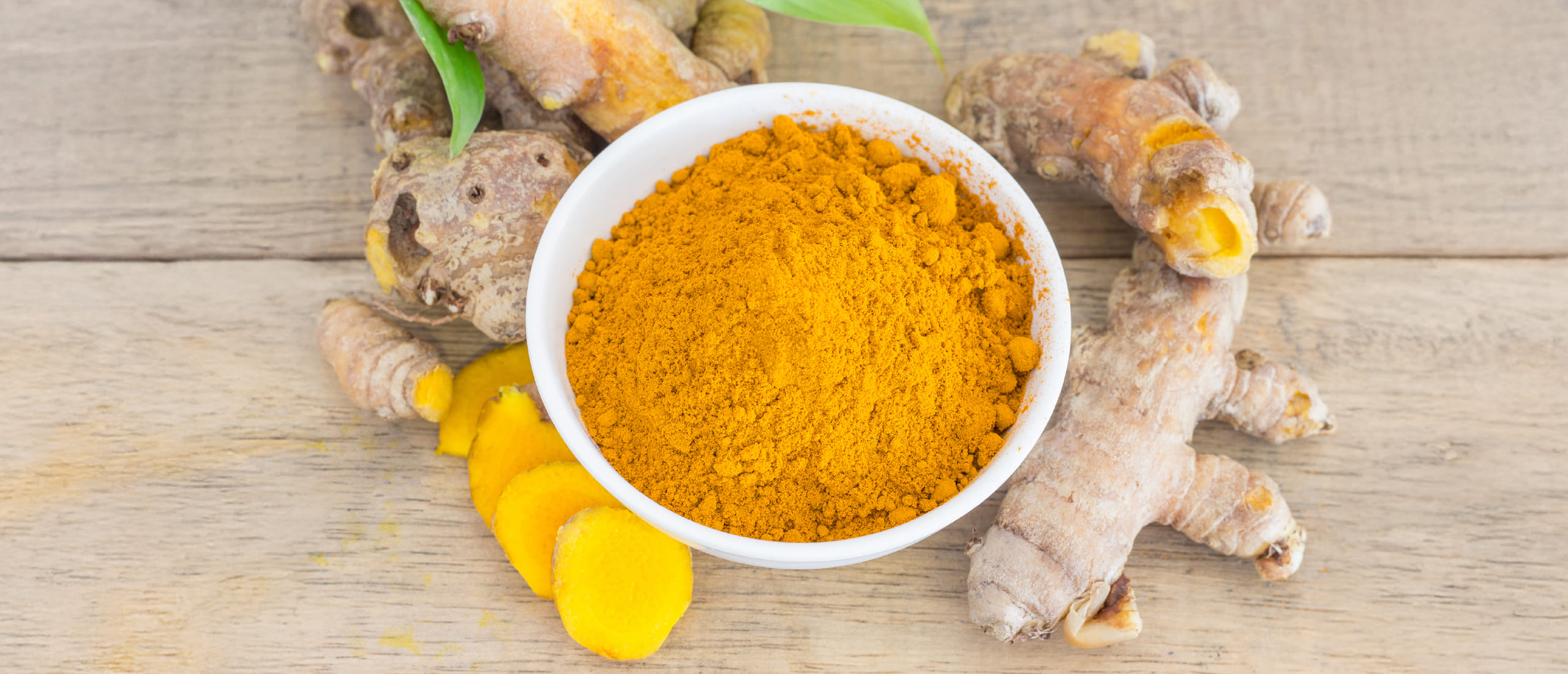
Turmeric comes from the root of Curcuma longa, a plant from the ginger family. It has been used for centuries for joint comfort, mobility, and overall vitality. Its benefits come from active compounds called curcuminoids.
a) Anti-inflammatory: Curcuminoids are known to suppress inflammation by inhibiting NF-kB, a transcription factor that triggers a cascade of undesirable inflammatory responses in your body. When NF-kB remains overactive, it is linked to chronic inflammatory conditions such as arthritis, cardiovascular disease, and cancer.
b) Antioxidant: Curcuminoids effectively to counteract free radicals in two ways: by preventing the formation of free radicals and by neutralising preformed radicals.
Key Benefits of Turmeric
Packed with curcuminoids, it works behind the scenes to calm inflammation and protect your cells from oxidative stress. By supporting your body’s natural balance, turmeric helps you feel better from the inside out, paving the way for a healthier, more vibrant life.
a) Arthritis relief: Turmeric can reduce inflammation and ease pain related to osteoarthritis and rheumatoid arthritis. Unlike conventional NSAIDs, it works as a natural COX-2 inhibitor without causing gastrointestinal side effects, making it a safe option for long-term joint support.
b) Heart health: Turmeric may help lower LDL cholesterol and triglyceride levels, supporting cardiovascular health and reducing risk factors for heart disease.
c) Blood sugar management: Research suggests turmeric may help improve insulin sensitivity and protect pancreatic cells from oxidative damage, promoting healthier blood sugar balance.
d) Brain function: Turmeric has been shown to prevent the formation and breakdown of amyloid-beta plaques, which are associated with Alzheimer’s disease, supporting cognitive health.
e) Digestive health: Turmeric can improve symptoms of irritable bowel syndrome (IBS), including gas, diarrhea, and constipation, promoting overall gastrointestinal health.
f) Allergy relief: Turmeric may help reduce histamine release, easing symptoms such as sneezing, itchy or watery eyes, and skin reactions like redness, rashes, or eczema flare-ups.
g) Respiratory health: Turmeric alleviates symptoms of allergic rhinitis (hay fever) including sneezing, itching and nasal congestion, and relieves airway obstruction linked to asthma.
h) Liver health: Turmeric supports liver function and may help reduce fibrosis in non-alcoholic fatty liver disease (NAFLD).
i) Cancer prevention: Curcumin can interfere with key signalling mechanisms involved in tumour growth, regulate cell death, and inhibit tumour angiogenesis, the process of new blood vessel formation that feeds tumours.
Take Charge of Inflammation
Chronic inflammation often works silently, but its impact on your health can be significant. The good news is that simple lifestyle changes combined with natural anti-inflammatory support, like turmeric, can make a real difference. By nourishing your body and restoring balance, you can calm inflammation, lower your risk of chronic conditions, and boost your overall well-being.