Are You Getting Enough Vitamin C?
Vitamin C, also known as ascorbic acid, is an essential water-soluble vitamin that your body cannot produce or store. This means you need to replenish your vitamin C levels every day through food or supplements to support the normal growth and repair of tissues throughout your body.
If your diet lacks fruits and vegetables, or if you smoke or consume alcohol frequently, you’re more likely to experience vitamin C deficiency. Signs of low vitamin C include:
- Rough or scaly skin
- Easy bruising
- Slow wound healing
- Bleeding gums
- Frequent infections
- Tooth loss
The Health Benefits of Vitamin C
Vitamin C is an essential nutrient that supports overall health in many ways. Known for its antioxidant properties, it helps protect the body from daily environmental stress while supporting immunity and skin health.
a) Immune defence: Helps the body defend against colds and flu
b) Antioxidant protection: Protect cells from damage caused by free radicals
c) Skin health: Supports collagen production to keep skin firm and smooth
d) Wound healing: Accelerates tissue repair
e) Iron absorption: Helps the body absorb iron more effectively
Since the body cannot produce or store vitamin C, it is important to consume it regularly to maintain healthy levels and support overall wellbeing.
Bioflavonoids: Enhancing Vitamin C’s Effectiveness
Bioflavonoids are natural compounds found in citrus fruits, berries, onions, and green tea. When combined with vitamin C, bioflavonoids help bioavailability and assimilation of vitamin C in the body, enhancing its antioxidant potency. Together, they form a synergistic pair that enhances immune function and cellular protection.
Zinc: Supporting Immune and Cellular Health
Zinc is an essential trace mineral that plays a role in hundreds of biological processes throughout your body. It contributes to the development and function of immune cells, helps your body heal wounds, and supports cell growth and repair. It also acts as an antioxidant, helping to protect your cells from oxidative stress.
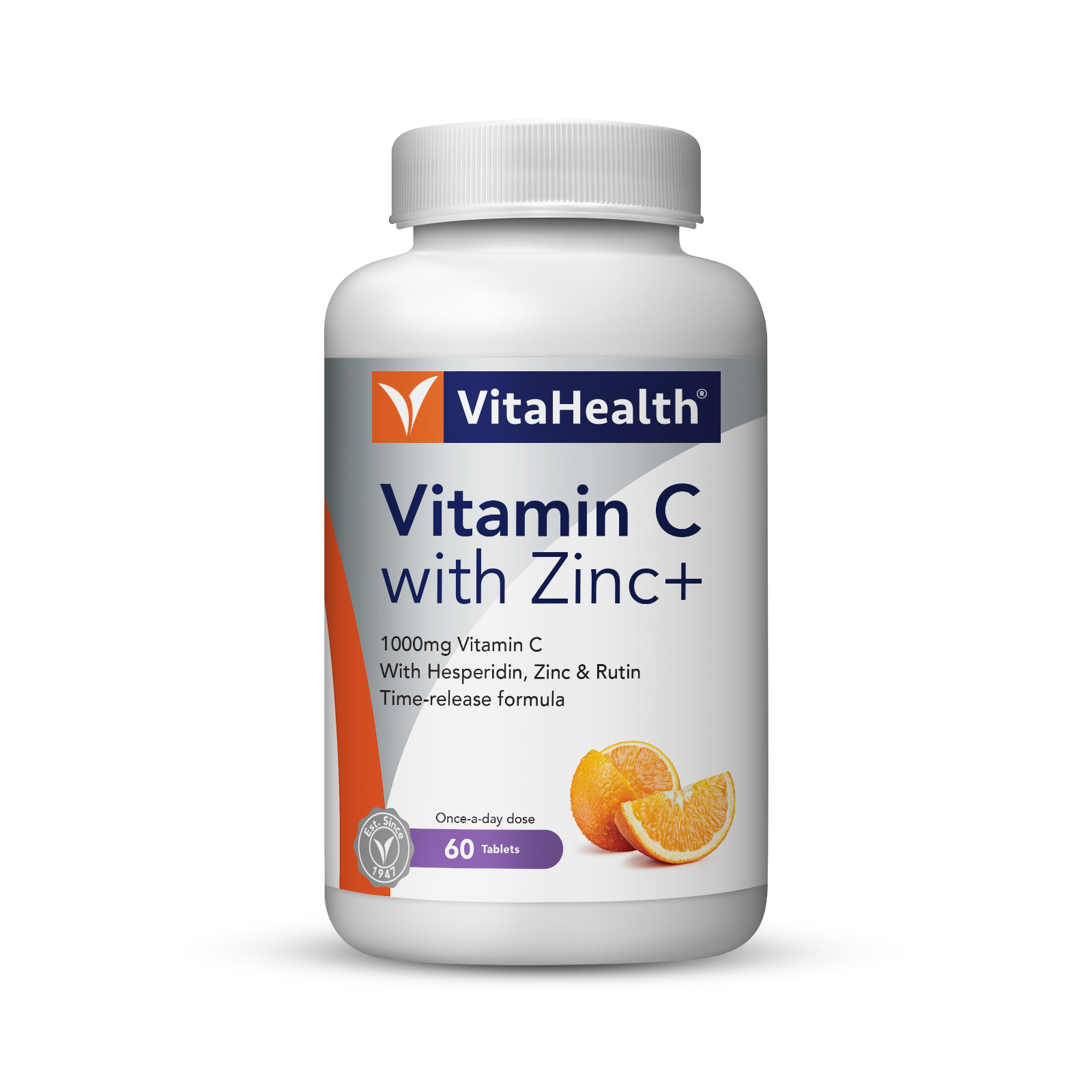
Together, vitamin C, bioflavonoids, and zinc work synergistically to strengthen your body’s natural defence system, supports healthy skin and tissue repair, and protects your body from daily oxidative stress caused by modern lifestyles.