Understanding High Cholesterol
High cholesterol happens when there is too much of a fatty substance called cholesterol in your blood. Cholesterol itself isn’t always harmful. In fact, your body needs it for hormone production, cell structure and overall health. The helpful type, HDL cholesterol, clears excess cholesterol from the bloodstream.
Problems begin when LDL cholesterol becomes too high. LDL can slowly build up along the walls of your blood vessels, forming plaque. Over time, this buildup narrows the arteries and restricts blood flow. When plaque becomes unstable and breaks off, it can form a blood clot — and that clot may trigger a heart attack or stroke.
High cholesterol is often called a “silent” problem because it usually has no symptoms. Most people feel perfectly normal until their cholesterol reaches unhealthy levels. The only way to know your cholesterol status is through a blood test.
What Causes High Cholesterol
While genetics play a role, lifestyle usually has the biggest impact. This means small changes can make a big difference. Many causes of high cholesterol come from daily habits and lifestyle patterns.
Some of the most common factors include:
- Eating too many fried or fatty foods
- Having a diet high in sugar or refined carbohydrates
- Sitting for long periods with very little movement
- Being overweight or gaining weight quickly
- Living with high stress and inconsistent sleep
- Smoking
- Having a family history of high cholesterol
Complications of High Cholesterol
If high cholesterol is not managed, plaque can continue to build up in the arteries, causing atherosclerosis, a serious condition that reduces blood flow in major vessels. Reduced blood flow can lead to complications such as:
- Chest pain or angina: When the arteries that supply the heart become narrowed, it can lead to chest pain or discomfort. This may also signal other symptoms of coronary artery disease.
- Heart attack: If a plaque tears or breaks, a blood clot can form and block blood flow. The blockage may happen at the site of the tear or travel to another artery. When blood flow to part of the heart stops, a heart attack occurs.
- Stroke: A stroke happens when a blood clot blocks blood flow to part of the brain.
Manage Cholesterol Levels Naturally
Natural lifestyle habits can make a huge difference in keeping cholesterol in a healthy range. Here are simple steps proven to support heart health:
- Eat a diet that focuses on lean protein, fruits, vegetables and whole grains
- Limit sodium and added sugar
- Limit the amount of saturated and trans fats
- Lose extra weight
- Quit smoking
- Exercise regularly
- Limit alcohol intake
How Red Yest Rice Helps
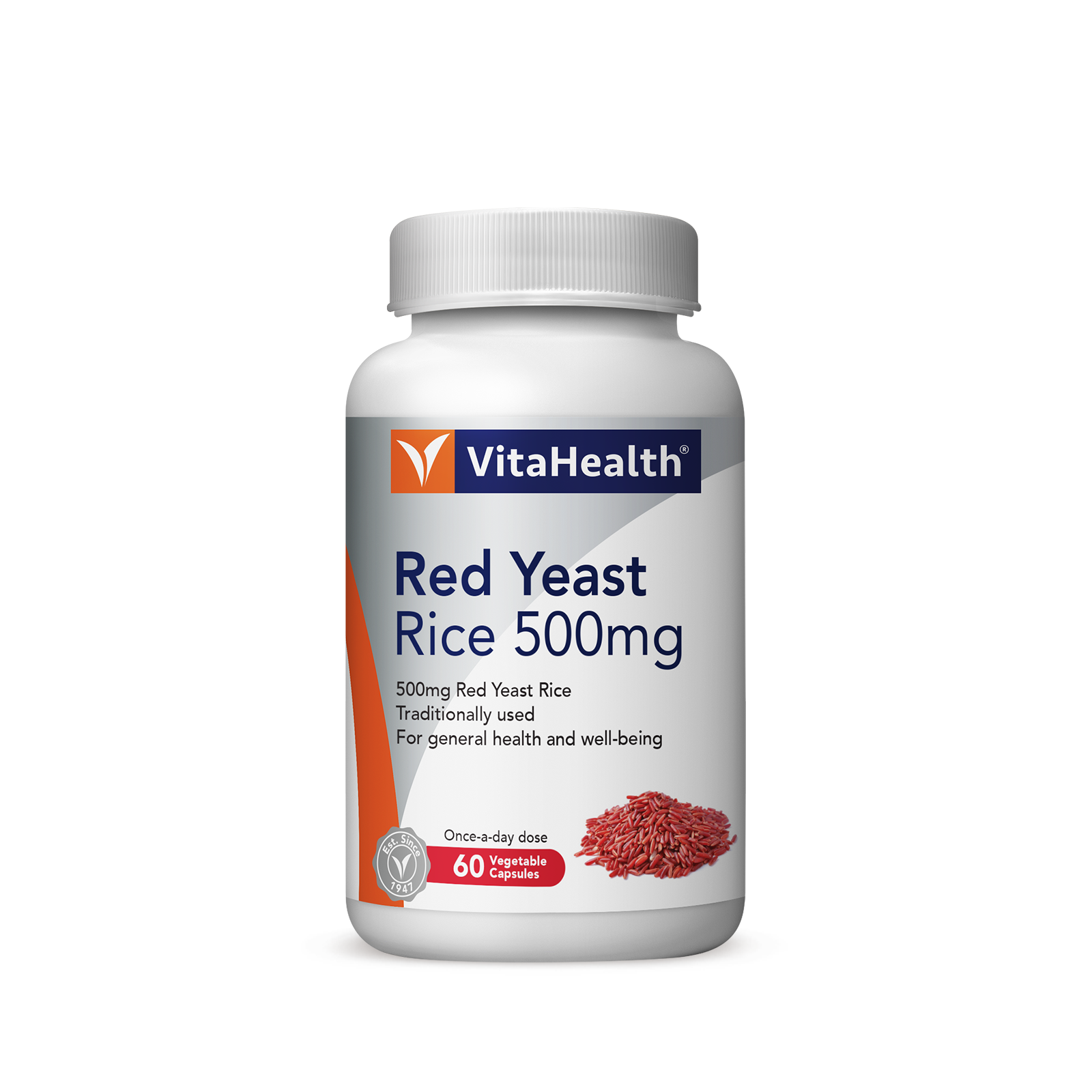
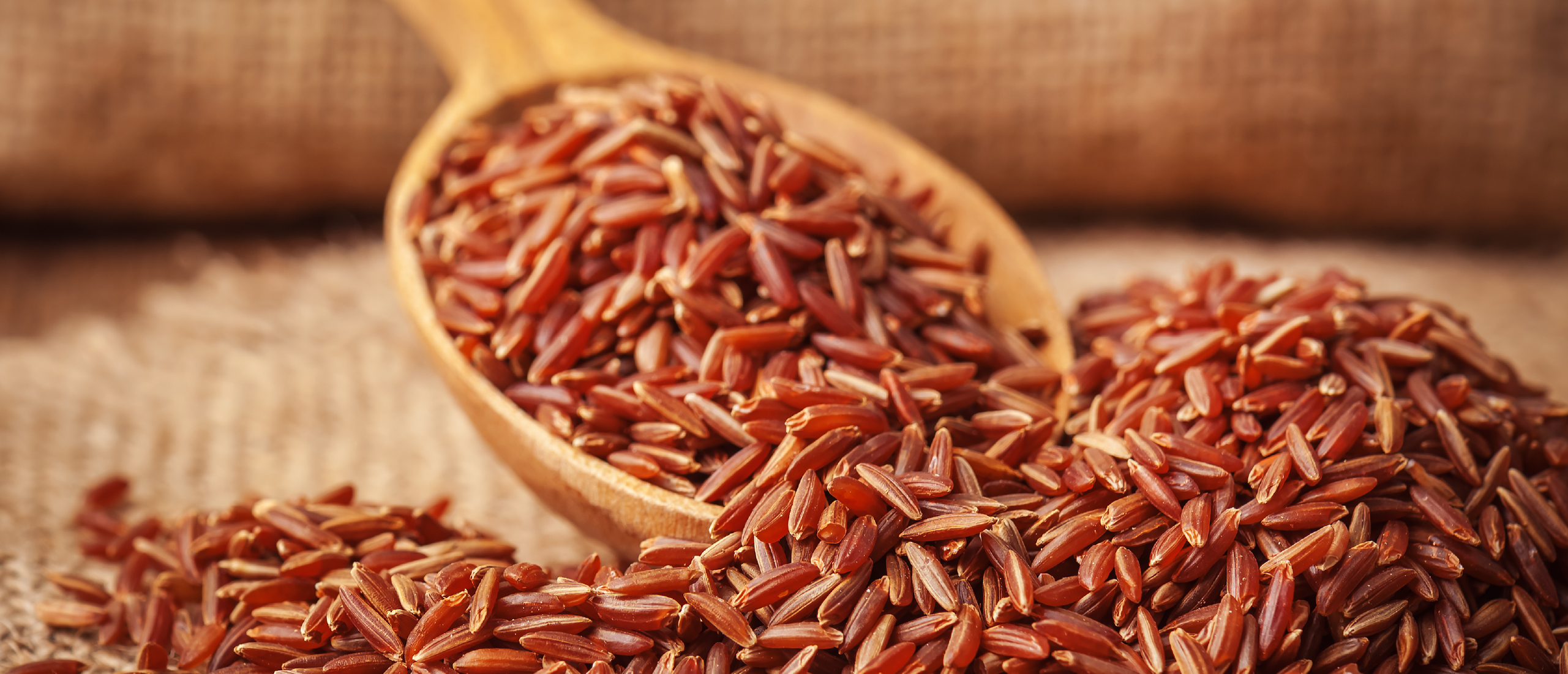
Red yeast rice is made by fermenting rice with the Monascus purpureus fungus, a natural process that produces unique compounds that help the body manage cholesterol levels. One of the key compounds is monacolin K, which helps regulate the amount of cholesterol the body produces and has the same chemical structure as lovastatin, a commonly prescribed cholesterol-lowering medication.
Red yeast rice can be a helpful natural option for supporting healthy LDL cholesterol levels, but it is not a standalone solution. It works best when combined with nutritious eating, regular exercise, adequate sleep and proper stress management. When lifestyle changes and natural support work together, maintaining healthy cholesterol becomes easier, more sustainable and more effective.