
Diabetes is On the Rise
Globally, there are 589 million adults with diabetes, a number projected to reach 853 million by 2050. In Malaysia, the number is estimated to be around 4.8 million adults in 2024, with a projected rise to 7.5 million by 2050. Diabetes-related deaths were 3.4 million in 2024, and the total global health expenditure was at least $1.015 trillion in the same year.
Closer to home, the National Health and Morbidity Survey (NHMS) 2019 reported that 3.9 million Malaysians aged 18 and above are living with diabetes, a number that continues to climb each year.
What is Diabetes?
When you eat, carbohydrates are broken down into glucose, which passes through the intestinal wall and enters your bloodstream. Rising blood sugar signals the pancreas to release insulin. This hormone helps move glucose from the blood into your body’s cells, where it is used for energy. As glucose enters the cells, blood sugar levels begin to drop.
Diabetes is a long-term condition where blood sugar levels stay higher than normal because the body either cannot produce insulin properly, cannot use it effectively, or both.
a) Type-1 diabetes: An autoimmune condition where the pancreas produces little or no insulin. This type usually appears early in life and requires lifelong insulin treatment.
b) Type-2 diabetes: The most common form. The pancreas does not produce enough insulin, or the body becomes resistant to insulin’s signals. As a result, glucose builds up in the bloodstream. Type 2 diabetes is strongly linked to lifestyle factors including diet, weight, and physical activity.
c) Gestational diabetes: A temporary form of diabetes that develops during pregnancy when hormones interfere with insulin function. It usually resolves after delivery but increases the mother’s risk of developing type 2 diabetes later on.
Are You at Risk?
Type-2 diabetes is the most common form of the disease, accounting for about 90 percent of all cases. It usually develops in adults over 40 and individuals who are overweight, but lifestyle changes mean more young adults and even teenagers are now being diagnosed.
Several factors can increase your risk of developing diabetes. Your chances are higher if you:
- Are over 45 years old
- Have a family history of diabetes
- Are overweight
- Lead a physically inactive lifestyle
Watch out for the following symptoms of type-2 diabetes. They can be very mild and easy to overlook. This is why regular blood sugar checks are so important, as they help you detect any changes early before things get out of control.
- Unusual thirst
- Frequent urination
- Unexplained weight gain or loss
- Numbness or tingling in the hands and feet
- Blurred vision
- Slow wound healing
- Extreme fatigue
Diabetes Complications
Diabetes goes far beyond high blood sugar. When it isn’t properly managed, it can progress into serious and potentially life-threatening complications such as:
- Heart attack
- Stroke
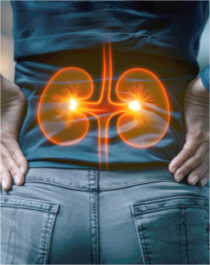
- Kidney failure
- Nerve damage
- Blindness
- Lower-limb amputation
Manage Sugar Levels Naturally
Several herbs and spices offer natural support for healthier blood sugar control. These plant-based remedies have been used traditionally and are still recognised today for their beneficial effects:
- Baker’s yeast: A rich source of beta-glucan soluble fibre, baker’s yeast forms a thick, gel-like solution in the stomach. This slows down the absorption of carbohydrates, helping to prevent sudden sugar spikes and keep blood sugar levels steadier.
- Bitter melon: Bitter melon has natural hypoglycemic properties. It helps regenerate pancreatic beta cells and stimulates insulin secretion, which supports better glucose utilisation.
- Fenugreek: Fenugreek seeds are high in soluble fibre that slows the digestion and absorption of carbohydrates, helping keep blood sugar levels more stable. They also help reduce insulin resistance and support healthier cholesterol levels.
- Gymnema sylvestre: Often called the “destroyer of sugar,” Gymnema helps reduce cravings for sweet foods. By dulling the sensation of sweetness, it helps prevent excessive sugar intake and supports healthier eating habits.
- Olive leaf: Rich in antioxidants, it helps manage blood sugar levels and protect the body from oxidative stress. This makes it especially helpful for individuals seeking long-term glucose support.
- Mistletoe: Traditionally used as a natural remedy for diabetes, mistletoe helps maintain steadier blood sugar levels and supports overall metabolic balance.
Understanding your risk and recognising early signs of diabetes can make a big difference in preventing long-term complications. With healthier habits, regular check-ups, and proper management, diabetes can be controlled effectively. Taking charge of your lifestyle today can help protect your heart, kidneys, nerves, and overall wellbeing in the years to come.